

Benefits and importance of First Aid Training for UK businesses
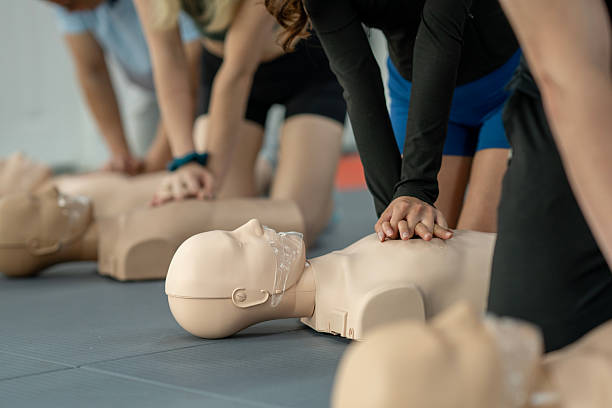
First aid training is an essential component for any UK business, regardless of its size or industry. It equips employees with the skills and knowledge to respond effectively in emergencies, ensuring a safer workplace. Understanding the benefits and importance of first aid training can help businesses create a culture of safety and preparedness.
Below, we delve into the various aspects that highlight why first aid training is vital for UK businesses.
Enhancing Workplace Safety
One of the primary benefits of first aid training is the enhancement of workplace safety. When employees are trained in first aid, they become more aware of potential hazards and how to mitigate them. This proactive approach not only reduces the likelihood of accidents but also fosters a culture of safety within the organisation.
Moreover, trained employees can identify risks that may not be immediately apparent. For instance, they can spot potential fire hazards, unsafe equipment, or ergonomic issues that could lead to injuries. By addressing these concerns early, businesses can create a safer environment for everyone.
Reducing Workplace Accidents
First aid training significantly contributes to reducing workplace accidents. When employees know how to respond to emergencies, they are less likely to panic, which can exacerbate the situation. Instead, they can act quickly and effectively, potentially saving lives and minimising injuries.
A well-trained workforce can lead to a decrease in the number of incidents. Employees who are knowledgeable about safety protocols are more likely to follow them, which can lead to a reduction in accidents over time. This not only protects employees but also reduces costs associated with workplace injuries.
Legal Compliance and Liability
In the UK, businesses have a legal obligation to ensure the health and safety of their employees under the Health and Safety at Work Act 1974. This includes providing adequate first aid training. By ensuring that staff are trained, businesses can demonstrate compliance with legal requirements, which can protect them from potential liabilities.
Determining the appropriate number of first aiders in a workplace is also crucial for ensuring adequate emergency response. According to guidelines, the number of first aiders required depends on the size and nature of the business. For instance, low-risk workplaces like offices may need fewer first aiders compared to high-risk environments such as factories. Why not check how many first aiders are needed in the workplace, to ensure that you’re fully compliant.
Failure to provide first aid training can result in significant penalties, including fines and increased insurance premiums. In the event of an accident, a lack of training could also expose the business to legal action from employees or their families.
Investing in first aid training is not just a moral obligation; it is a legal necessity.
Boosting Employee Confidence and Morale
First aid training can have a profound impact on employee confidence. Knowing that they possess the skills to handle emergencies can empower employees, making them feel more secure in their roles. This confidence can translate into improved job satisfaction and morale. Also, a workplace that prioritises first aid training demonstrates a commitment to employee well-being. This commitment can enhance the overall work environment, making it more supportive and inclusive. Employees are more likely to feel cared for when they know their employer takes their safety seriously.
A supportive environment can lead to lower turnover rates. Employees are more likely to remain with a company that invests in their safety and well-being. This stability can save businesses time and resources associated with recruiting and training new staff.
Improving Emergency Response
First aid training equips employees with the skills to respond effectively in emergencies. This includes dealing with various situations, from minor injuries to life-threatening conditions. The ability to act swiftly can make a significant difference in the outcome of an emergency.
Trained employees can perform essential first aid procedures, such as CPR or the Heimlich manoeuvre, which can be lifesaving. Additionally, they can manage injuries until professional medical help arrives, ensuring that the situation is under control and that the affected individual receives the necessary care.
Establishing Clear Protocols
First aid training also helps businesses establish clear emergency response protocols. Employees learn how to assess a situation, communicate effectively, and coordinate with emergency services. This clarity is crucial during high-pressure situations, where every second counts. Having a well-defined protocol in place can reduce confusion and ensure that everyone knows their role during an emergency. This not only improves the response time but also enhances the overall effectiveness of the emergency response.
Cost-Effectiveness of First Aid Training
Investing in first aid training courses can be cost-effective for businesses in the long run. While there may be initial costs associated with training sessions, the potential savings from reduced workplace injuries can be substantial. Fewer accidents mean lower insurance premiums and decreased costs related to employee absences.
Moreover, businesses that prioritise safety often experience fewer disruptions. This can lead to increased productivity and profitability. A safe workplace is not just beneficial for employees; it also positively impacts the bottom line.
Encouraging a Culture of Preparedness
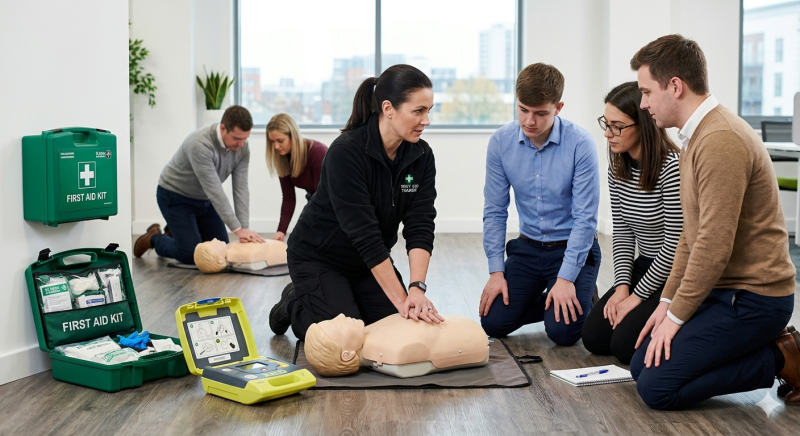
When employees are first aid trained, they can handle emergencies and become more vigilant and proactive about safety. This culture extends beyond first aid, encouraging employees to think critically about all aspects of safety in their work environment.
A culture of preparedness can also lead to better overall health and safety practices. Employees who are aware of the importance of first aid are more likely to engage in other safety initiatives, such as fire drills or health and safety workshops. This holistic approach to safety can significantly enhance the workplace environment.
Overall, first aid training is not merely a regulatory requirement; it is a vital investment in the safety and well-being of employees. The benefits extend far beyond compliance, enhancing workplace safety, boosting morale, and improving emergency response capabilities. By prioritising first aid training, businesses can create a safer, more productive environment that ultimately contributes to their success.
In an unpredictable world, being prepared is essential. First aid training equips employees with the skills they need to act decisively in emergencies, ensuring that they can protect themselves and their colleagues. The importance of this training cannot be overstated; it is a fundamental aspect of a responsible and forward-thinking business strategy.
Contact Us
For any information on our courses, please fill out the form to the right or call us on the number below.