

The importance of Basic Life Support training
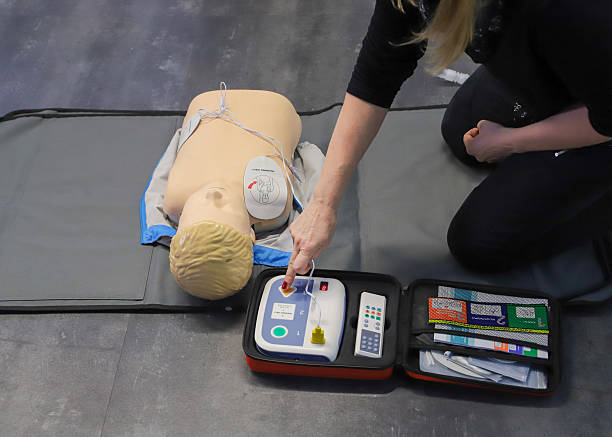
Basic Life Support (BLS) training is a crucial skill set that equips individuals with the knowledge and techniques to respond effectively in emergency situations. Whether in a workplace, at home, or in public, the ability to perform BLS can mean the difference between life and death. Understanding the significance of this training, the techniques involved, and the benefits it brings to individuals and communities is essential for everyone.
What is Basic Life Support?
Basic Life Support refers to a series of emergency procedures that are performed to sustain life until professional medical help arrives. It primarily focuses on maintaining adequate blood circulation and oxygenation to the brain and other vital organs. BLS is essential for anyone who may encounter a cardiac arrest or other life-threatening emergencies.
The core components of BLS include recognising emergencies, calling for help, performing chest compressions, and using an automated external defibrillator (AED) when available. These skills are designed to be straightforward, enabling even those without medical training to act decisively in critical situations.
Key Components of BLS
Understanding the key components of BLS is vital for effective intervention. The primary steps include:
-
Recognition of Cardiac Arrest:
Knowing the signs of cardiac arrest, such as unresponsiveness and lack of normal breathing, is the first step.
-
Calling for Emergency Help:
Always call emergency services before attempting any life-saving measures.
-
Chest Compressions:
Performing high-quality chest compressions at a rate of 100-120 compressions per minute is crucial for maintaining blood flow.
-
Defibrillation:
If an AED is available, using it as soon as possible can significantly increase the chances of survival.
Why is Basic Life Support Training Essential?
BLS training is not just for healthcare professionals; it is invaluable for everyone. The ability to perform BLS can empower individuals to act confidently in emergencies, potentially saving lives.
Here are several reasons why BLS training is essential:
-
Immediate Response to Emergencies
In emergencies, every second counts. BLS training prepares individuals to respond quickly and effectively, ensuring that the victim receives immediate assistance. This prompt action can significantly improve survival rates, especially in cases of cardiac arrest. Statistics show that the chances of survival decrease by approximately 10% for every minute that passes without intervention. Therefore, having trained individuals in the vicinity can be a game-changer in critical situations.
-
Confidence in Handling Emergencies
Many people feel helpless during emergencies, unsure of what to do. BLS training instils confidence, enabling individuals to take charge of the situation. This confidence can help reduce panic, allowing for clearer thinking and more effective actions. Moreover, being trained in BLS can alleviate the fear of making mistakes. Participants learn the correct techniques and understand that even basic interventions can make a significant difference.
-
Community Impact
When more people are trained in BLS, the overall safety of the community increases. Public spaces, workplaces, and care homes, and schools can benefit from having individuals who can respond to emergencies. This collective knowledge fosters a culture of safety and preparedness. Communities with higher rates of BLS training often see improved outcomes in emergencies, leading to a greater sense of security among residents. This proactive approach can also encourage others to seek training, creating a ripple effect of awareness and preparedness.
How to get Basic Life Support Training

Obtaining BLS training is accessible and straightforward. Various organisations offer courses, ranging from in-person classes to online training. Here’s how to get started:
-
Choose a Reputable Training Provider
Look for organisations that are recognised and accredited. Franklins Training, The British Heart Foundation, St John Ambulance, and the Red Cross are reputable providers that offer comprehensive BLS courses. Ensure that the course includes practical training and certification upon completion.
-
Attend a Course
Most BLS courses are designed to be completed in a few hours. They typically cover the essential techniques and allow participants to practice on mannequins. Hands-on practice is crucial for building muscle memory, which is vital during real-life emergencies.
-
Stay Updated
Medical guidelines and recommendations can change. It’s important to refresh your training regularly. Many organisations offer recertification courses every two years. Staying updated ensures that your skills remain sharp and relevant.
Real-Life Applications of BLS Training
The true value of BLS training becomes evident when considering real-life scenarios. Here are a few instances where BLS training has made a significant impact:
-
Workplace Incidents
Workplaces can be unpredictable environments. Accidents can happen, and having trained personnel can save lives. For example, if an employee collapses due to a cardiac event, a trained colleague can initiate BLS while waiting for emergency services, potentially preventing irreversible damage.
-
Family Emergencies
Emergencies can occur at home, affecting loved ones. Imagine a scenario where a family member suffers a heart attack. A person trained in BLS can provide immediate care, significantly increasing the chances of survival until professional help arrives.
-
Community Events
During community gatherings, the likelihood of medical emergencies increases. Having individuals trained in BLS can create a safer environment. For instance, at sports events, trained volunteers can respond quickly to injuries or cardiac events, ensuring that help is available when needed.
The Lifesaving Value of Basic Life Support Training
Basic Life Support (BLS) training is an essential skill that everyone should consider. The ability to perform BLS can empower individuals to act decisively in emergencies, potentially saving lives. With the knowledge and confidence gained through training, individuals can make a significant difference in critical situations.
As communities become more aware of the importance of BLS, the collective impact can lead to improved survival rates and a greater sense of security. Investing time in BLS training is not just about personal safety; it’s about fostering a culture of preparedness and care within society.
Ultimately, the importance of Basic Life Support training cannot be overstated. It is a skill that can save lives, and every person, either individually or in an organisation, should have the opportunity to learn it.
Contact Us
For any information on our courses, please fill out the form to the right or call us on the number below.