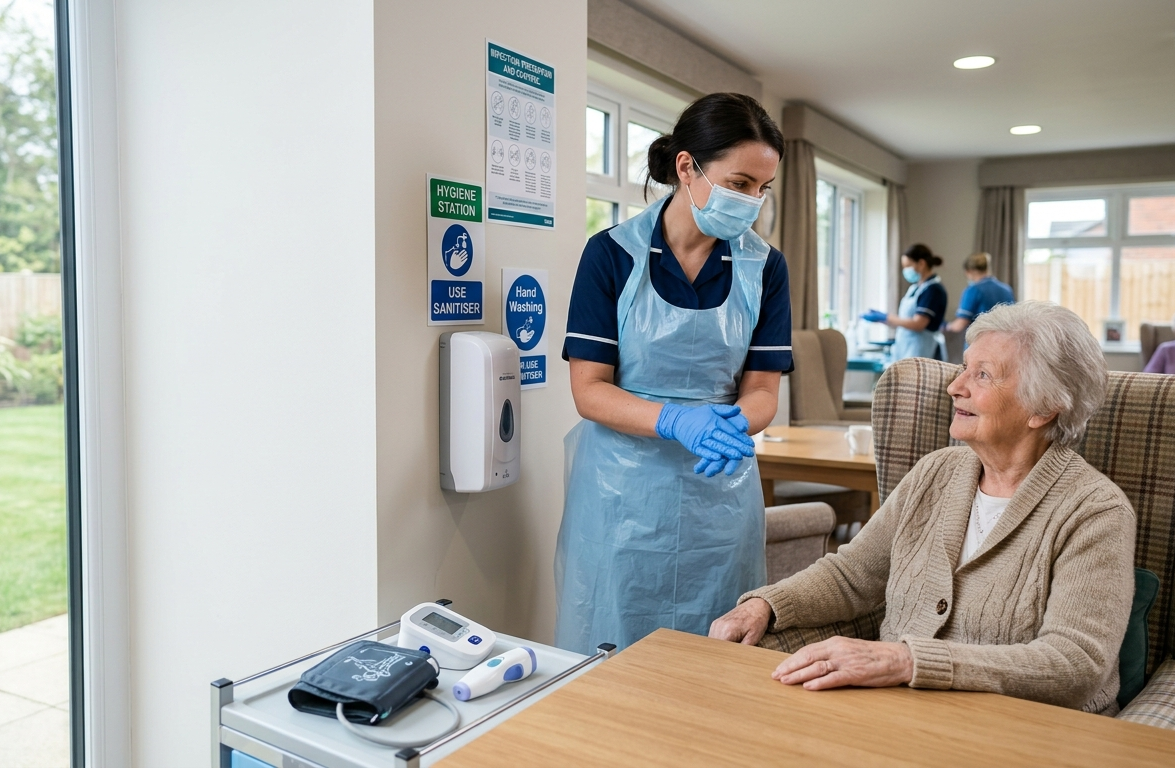
Tips for Infection Prevention & Control in the Care Industry

Infection Prevention and Control in the Care Industry

Infection prevention and control (IPC) is a critical aspect of the care industry, particularly in settings where vulnerable populations reside, such as hospitals, nursing homes, and assisted living facilities.

The consequences of inadequate infection control can be dire, leading to increased morbidity, mortality, and healthcare costs. Therefore, implementing effective IPC measures is essential for safeguarding the health of both patients and healthcare workers. 

This article outlines essential tips for infection prevention and control tailored specifically for the care industry.

Understanding Infection Prevention and Control

Infection prevention and control encompasses a range of practices designed to prevent the spread of infections within healthcare settings. These practices are grounded in evidence-based guidelines and are crucial for maintaining a safe environment for both patients and staff. The primary goal of IPC is to reduce the risk of healthcare-associated infections (HAIs), which can arise from various sources, including contaminated surfaces, medical equipment, and person-to-person transmission.

Effective IPC strategies involve a combination of standard precautions and additional measures tailored to specific situations. Standard precautions apply to all patients, regardless of their infection status, and include practices such as hand hygiene, the use of personal protective equipment (PPE), and safe handling of sharps. Additional precautions may be necessary for patients known or suspected to be infected with certain pathogens.

The Importance of Hand Hygiene

Training Infection Prevention and Control in the Care Industry

Hand hygiene is the cornerstone of infection prevention in the care industry. Proper handwashing with soap and water or the use of alcohol-based hand sanitiser significantly reduces the transmission of pathogens. Healthcare workers should perform hand hygiene:

  • Before and after patient contact
  • Before performing any aseptic procedure
  •  After contact with bodily fluids or contaminated surfaces
  • Before eating or handling food

Training staff on the importance of hand hygiene and providing easy access to handwashing facilities and sanitising products is essential. Regular audits and feedback can help reinforce compliance and highlight areas for improvement.

Use of Personal Protective Equipment (PPE)

Personal protective equipment (PPE) serves as a barrier against infection and is vital for protecting healthcare workers and patients alike. The selection of appropriate PPE depends on the nature of the care being provided and the level of risk involved. 

Common types of PPE include:

  • Gloves: Used to prevent contact with blood and bodily fluids.
  • Gowns: Protect clothing and skin from contamination.
  • Face masks and respirators: Protect against respiratory droplets and airborne pathogens.
  • Eye protection: Shields the eyes from splashes and droplets.

Training on the correct use, donning, and doffing of PPE is critical to ensure its effectiveness. Regular assessments should be conducted to ensure that PPE is available, appropriate, and used correctly in all situations.

Environmental Cleaning and Disinfection

The environment in which care is provided plays a significant role in infection control. Regular cleaning and disinfection of surfaces and equipment are essential to minimise the risk of pathogen transmission. High-touch surfaces, such as bed rails, doorknobs, and light switches, should be prioritised in cleaning protocols.

It is vital to use EPA-registered disinfectants that are effective against a broad spectrum of pathogens, including bacteria and viruses. Staff should be trained on the correct cleaning procedures and the importance of following manufacturer instructions for contact time and dilution ratios.

Implementing a Cleaning Schedule

Establishing a comprehensive cleaning schedule helps ensure that all areas of the facility are regularly cleaned and disinfected.

This schedule should include:

  • Daily cleaning of patient rooms and common areas
  • Regular disinfection of high-touch surfaces
  • Routine cleaning of medical equipment
  • Periodic deep cleaning of the facility

Monitoring compliance with the cleaning schedule is essential. Supervisors should conduct regular inspections and provide feedback to staff to ensure that cleaning protocols are being followed effectively.

Waste Management Practices

Proper waste management is a critical component of infection prevention. Healthcare facilities generate various types of waste, including hazardous, infectious, and general waste. Each type of waste requires specific handling and disposal procedures to prevent contamination and protect staff and patients.

Infectious waste should be segregated at the point of generation and disposed of in designated biohazard containers. Staff should be trained on the importance of proper waste segregation and the procedures for handling and disposing of different types of waste. Regular audits can help ensure compliance with waste management protocols.

Vaccination and Health Monitoring

Vaccination is a vital strategy for preventing infections, particularly in healthcare settings. Healthcare workers should be up to date with vaccinations, including influenza, hepatitis B, and other relevant vaccines. Encouraging staff to receive vaccinations not only protects them but also reduces the risk of transmitting infections to patients.

Health monitoring of staff is equally important. Regular health assessments can help identify potential health issues that may increase the risk of infection transmission. Implementing policies for sick leave and return-to-work protocols ensures that staff who are unwell do not inadvertently expose patients to infections.

Education and Training

Ongoing education and training are essential for maintaining high standards of infection prevention and control. Staff should receive initial training upon hiring and regular updates to keep them informed of the latest IPC guidelines and practices. 

Training topics should include:

  • Hand hygiene techniques
  • Correct use of PPE
  • Cleaning and disinfection protocols
  • Waste management procedures

Utilising a variety of training methods, such as workshops, online courses, and simulations, can enhance learning and retention. Encouraging a culture of safety and accountability within the organisation fosters an environment where staff feel empowered to adhere to IPC practices.

Monitoring and Surveillance

Implementing a robust monitoring and surveillance system is essential for identifying and addressing infection risks within healthcare settings. Regularly collecting and analysing data on infection rates can help identify trends and areas for improvement.

Establishing key performance indicators (KPIs) related to infection control can provide measurable targets for staff to strive towards. Regular feedback and reporting on these metrics can help maintain focus on infection prevention efforts and encourage continuous improvement.

Incident Reporting and Response

Establishing a clear incident reporting system allows staff to report any breaches in infection control practices or suspected infections promptly. This system should be non-punitive, encouraging staff to report incidents without fear of repercussions.

Upon receiving reports, healthcare facilities should have protocols in place for investigating incidents and implementing corrective actions. This proactive approach helps to identify root causes and prevent future occurrences, ultimately enhancing the overall safety of the care environment.

Infection prevention and control is a multifaceted endeavour that requires the commitment and collaboration of all healthcare staff. By implementing comprehensive IPC strategies, including hand hygiene, the use of PPE, environmental cleaning, vaccination, and ongoing education, care facilities can significantly reduce the risk of infections. Engaging patients and families in these efforts further enhances the effectiveness of IPC measures. Ultimately, a strong culture of safety and accountability within the care industry is essential for protecting the health and wellbeing of both patients and healthcare workers.

Contact Us

For any information on our courses, please fill out the form to the right or call us on the number below.


  • 01206 822 846

  • training@franklinstraining.co.uk

  • Unit 16 Langham Barns Business Centre, Langham Lane, Langham, Colchester, CO4 5ZS

Make An Enquiry